
Stage, sound, lighting and tent rental in Toronto
We deliver stages, podiums, sound, lighting, screens and tents to events in Toronto. Toronto has its own permit process for events, tents and amplified sound, and the lead times are long. This page summarizes what the City publishes so you can plan the equipment and the timeline together.
Information from City and Environment Canada sources, checked October 2026. Rules change, so confirm with the City before you apply. This is planning information, not legal advice.
Permits for events in Toronto
The City’s Event Support team runs an online Special Events Permit Navigator that builds a list of permits, deadlines and fees for your event. What you need depends on where the event is.
- Events in a City park or on a trail go through Permits, Parks & Recreation. Anything with amplified sound, tents or stages, food sales, alcohol or generators counts as a special event regardless of attendance.
- The City’s park permit page says the event must be open to the public, non-profit and non-promotional, and that the applicant must be a registered non-profit. It also lists 10 parks approved for commercial special events. If you are a company or a private client, check the eligibility rules first.
- Park permit requests for new events are accepted up to 8 weeks before the event, and City planning guidance lists 6–8 weeks for park permits. Insurance is required.
- Closing a street to vehicles for up to four days needs a Street Closure Permit. Lead times published by the City are 8 weeks for local streets, 12 for collector roads, 16 for arterial roads and 52 for expressways, and the application needs a traffic management plan and at least $2 million liability insurance naming the City.
- The City’s civic squares can be booked only by non-profit and charitable groups.
Tents, stages and temporary structures
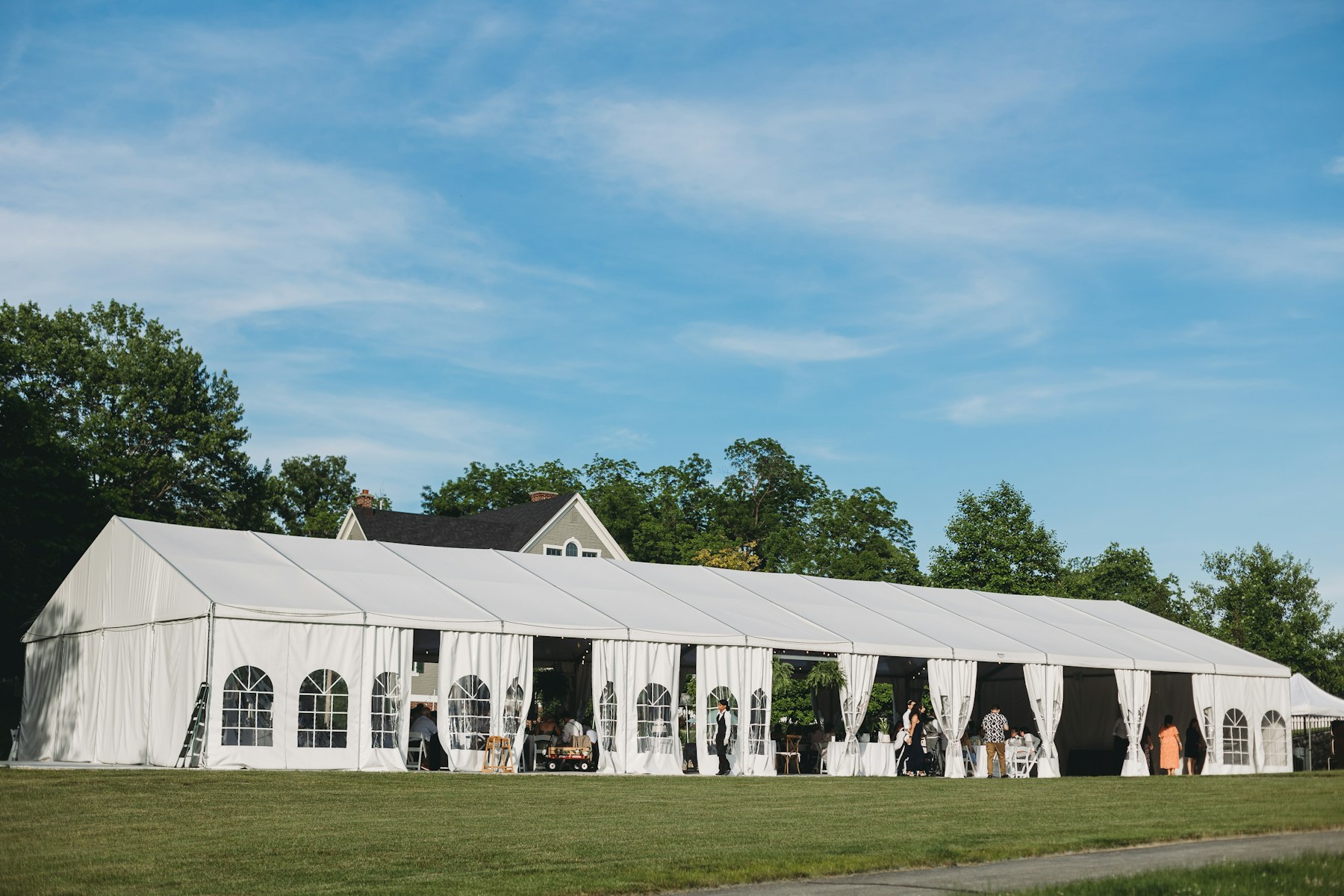
Toronto Building decides whether a building permit is needed for a tent or structure. The City’s guidance gives these examples of when one is required:
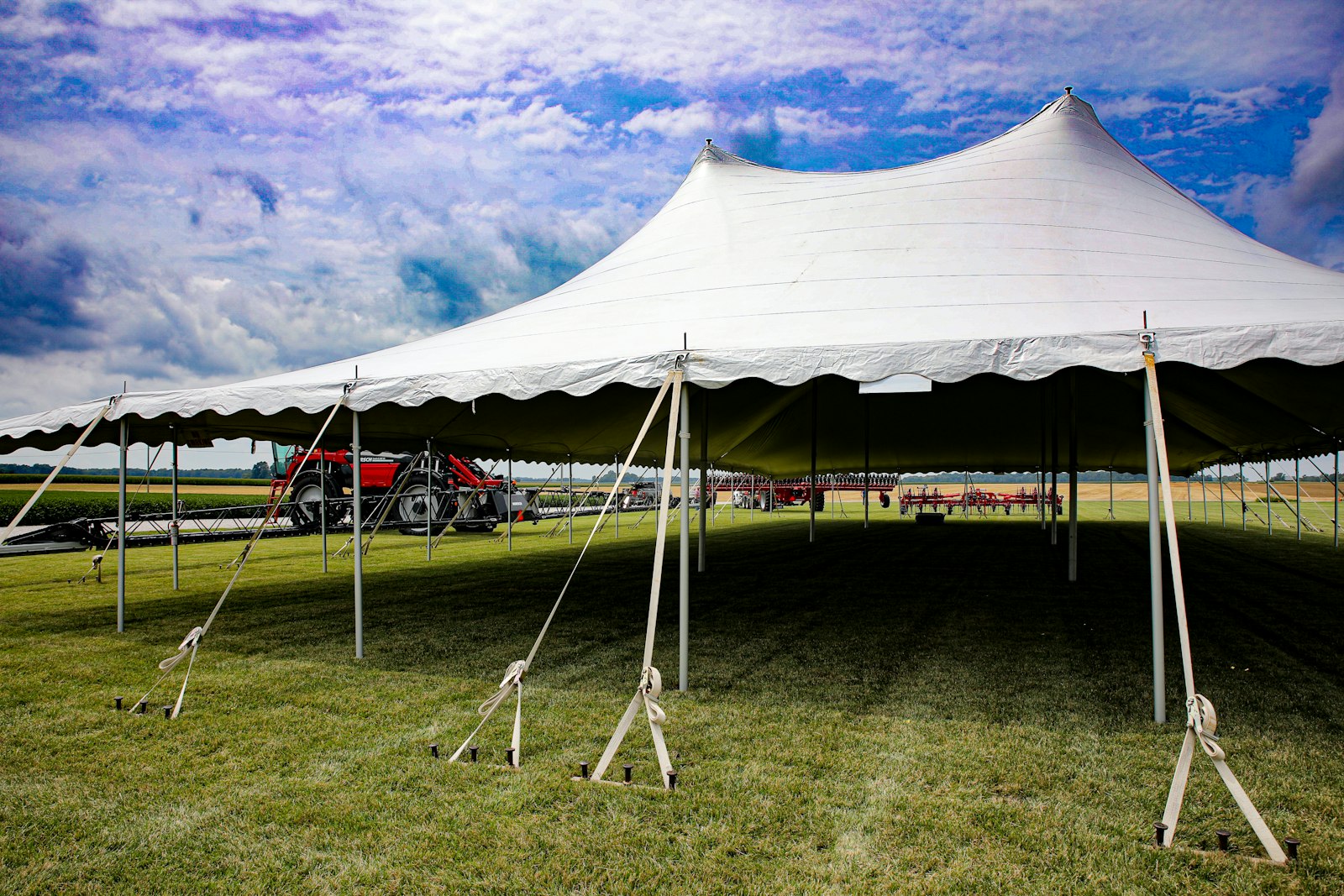
- a tent over 60 square metres, or a group of tents over that size together;
- a tent attached to a building;
- a tent within 3 metres of another structure or a property line.
- Large platforms, stages above set heights and supporting structures may also need a permit. Plans are approved by a licensed Ontario engineer. Rental companies often supply the drawings, so tell us early if your tent or stage needs them.
- Building permits take about 3 to 6 weeks according to the City. City pages state the tent size limit as 60 m² in one place and 60 m³ in another, so confirm the exact threshold with Toronto Building.
Sound and noise
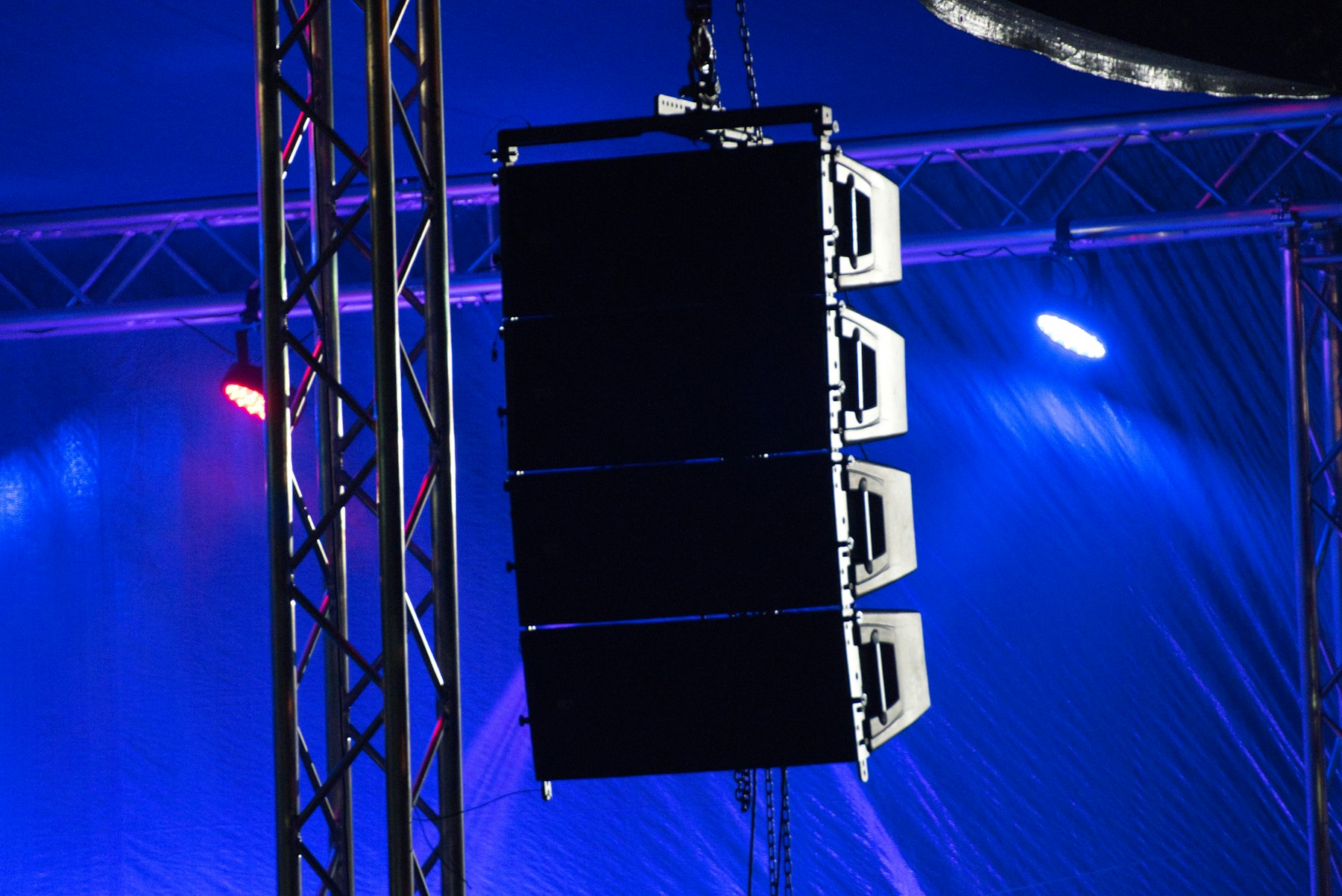
Amplified sound at an event is covered by Toronto’s Noise By-law. A Noise Exemption Permit from Municipal Licensing and Standards allows amplified or instrument sound for the times written on the permit.
- The City’s guidance says the permit allows up to 85 dB(A) or 105 dB(C) measured at the lot line of the event property.
- Apply within 28 days before the event. Most permits take 3 to 4 weeks, so apply as soon as the window opens.
- You must notify residents within 120 metres at least 7 days before and post the permit on site.
- Application fees published by the City are $118.98, $367.74 or $616.51 depending on the level.
- For street events, the City asks that live or amplified music stop at 11:00 p.m.
Where events are held
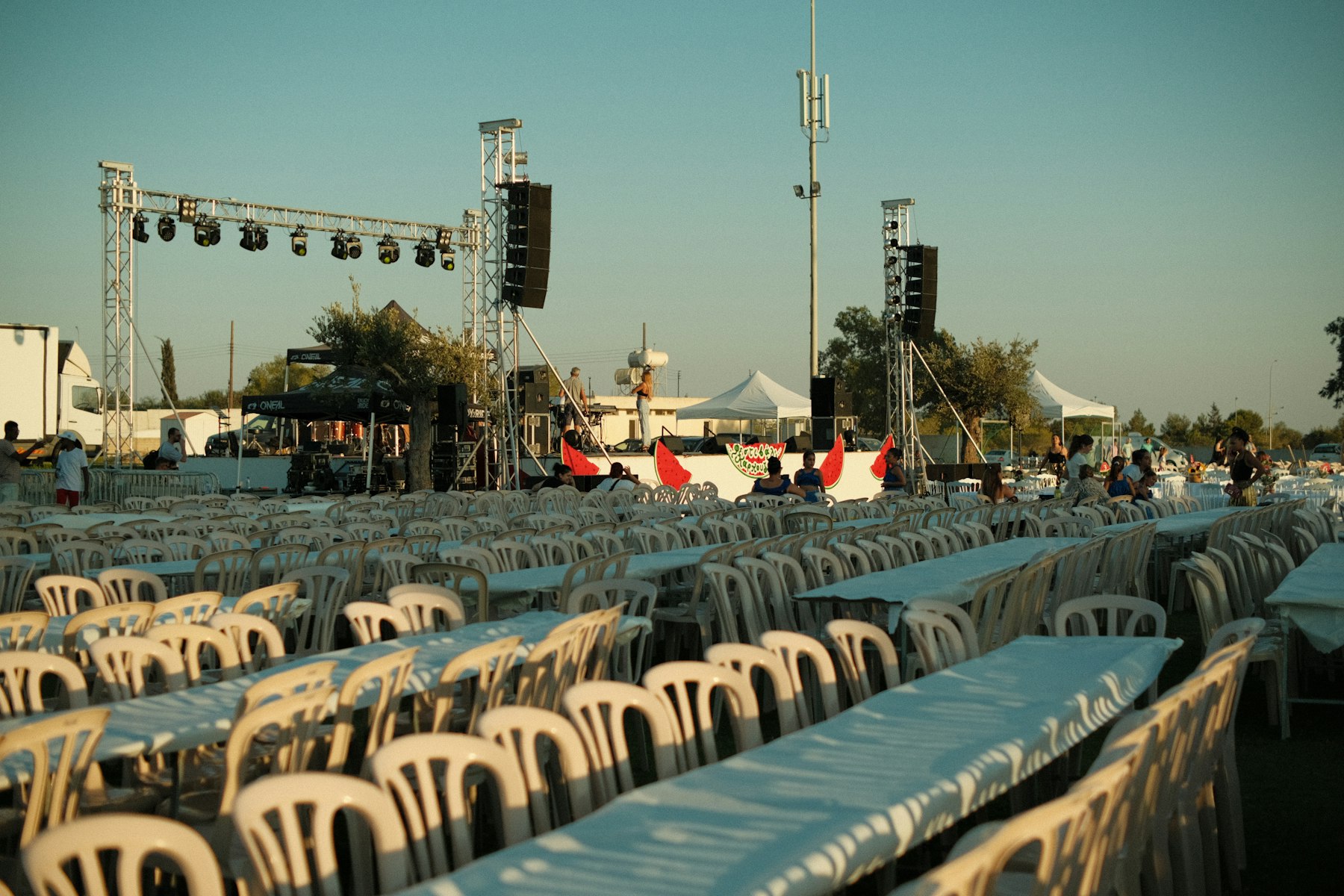
Places the City lists for events include Nathan Phillips Square at City Hall, Mel Lastman Square in North York, David Pecaut Square at Metro Hall, Albert Campbell Square in Scarborough, Sankofa Square downtown and Downsview Park. Each has its own booking rules, so check eligibility and power before you plan equipment. We list these only as public information; it does not mean we have worked at any of them.

Season and weather
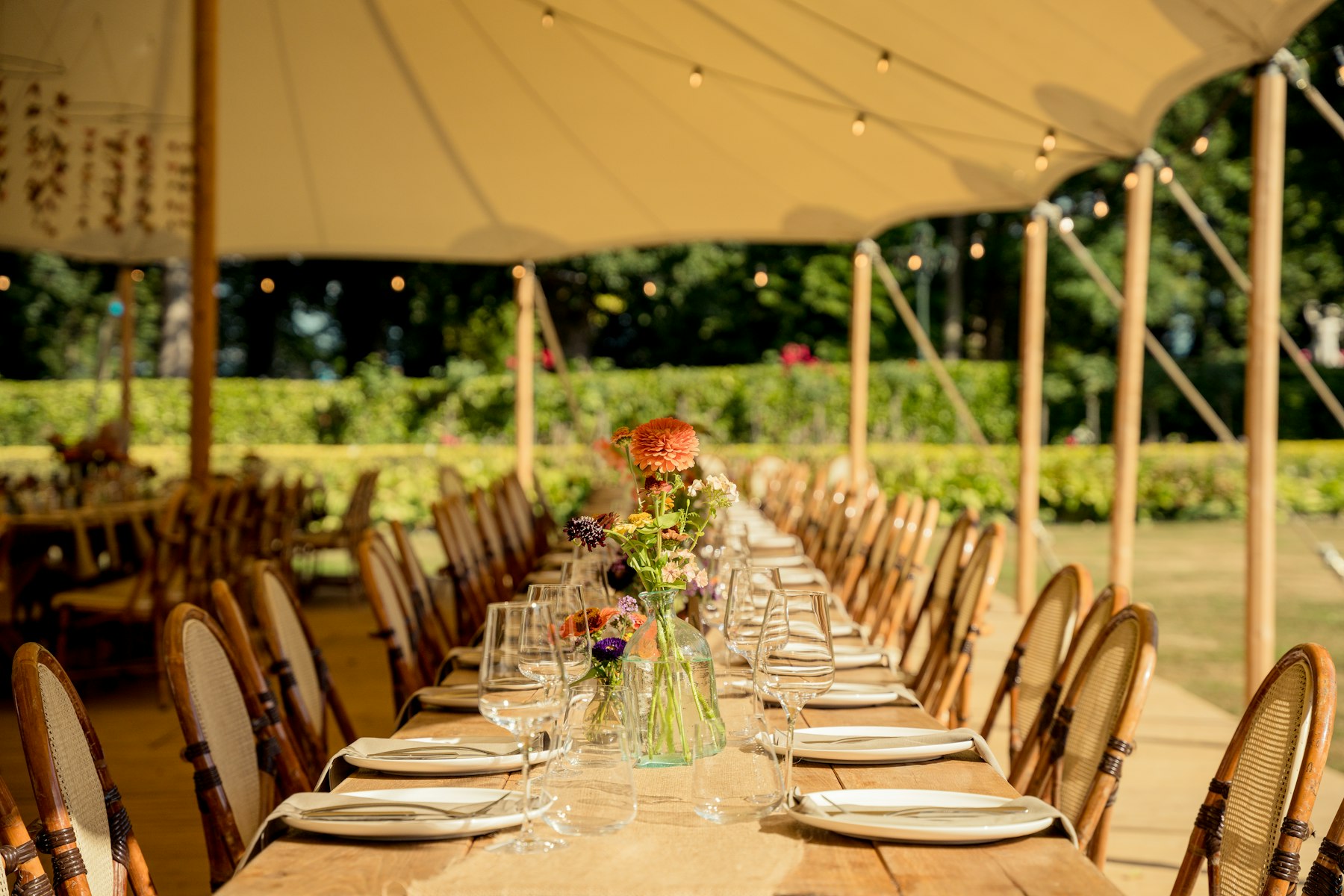
Environment Canada’s 1991–2020 normals for Toronto show average daily temperatures of about 14.5 °C in May, 19.8 °C in June, 22.5 °C in July and 17.9 °C in September. Rain falls in every month, and the wettest months are June, April, July and May. Winds are lighter from June to September than in spring and October. In practice, open-air season runs roughly May to September, and a weather plan for stages and tents is sensible all year.
A realistic timeline
- 8–12 weeks before: park or street permit, noise exemption planning, insurance.
- 6 weeks before: send us your quote request with the date, site and what you need.
- 3–6 weeks before: building permit for larger tents or stages, if required.
- 1 week before: neighbour notices for the noise exemption, final access times for delivery and setup.
Equipment for events in Toronto
Stages
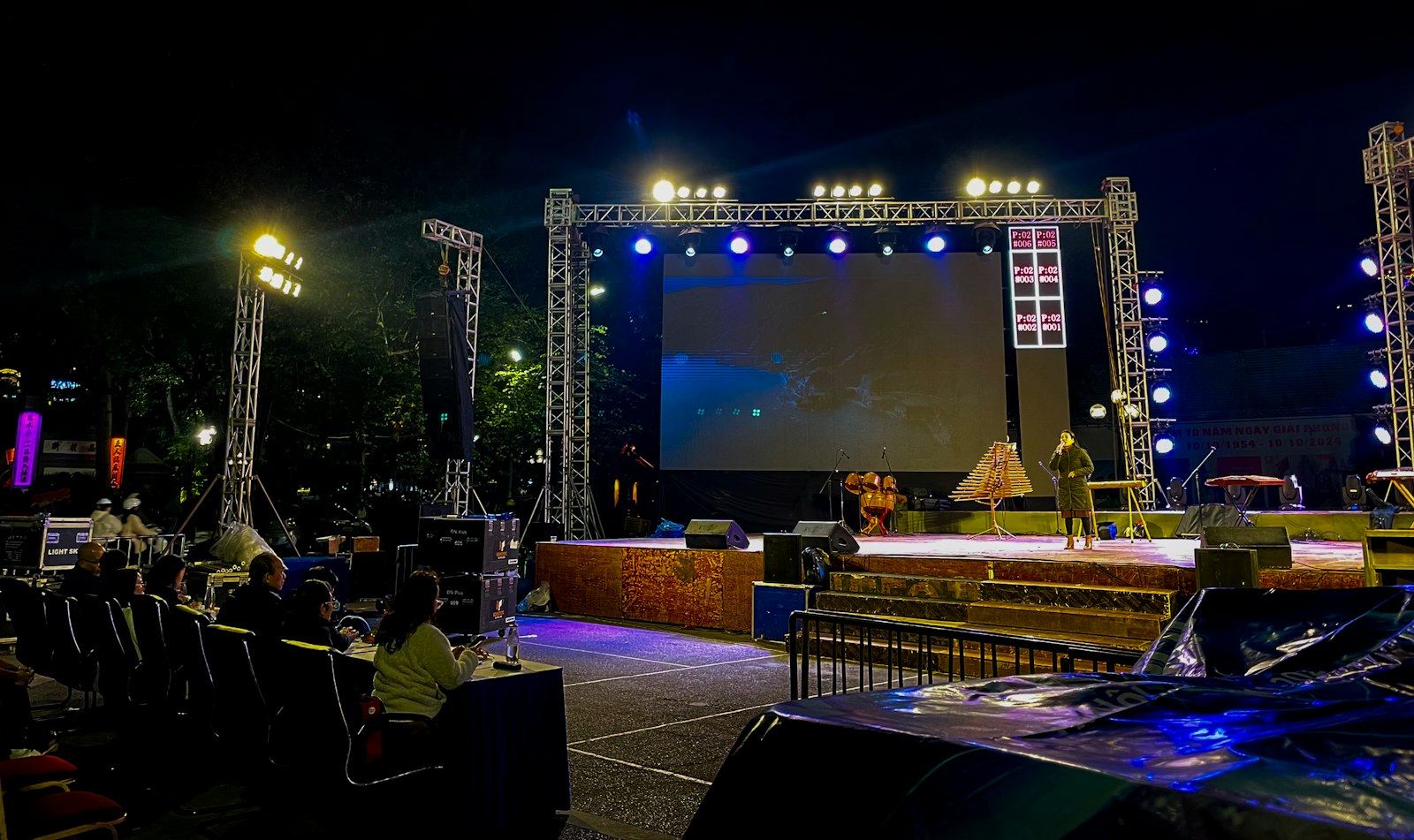
Stage for performances, speeches and ceremonies

Sound
Sound sized for the venue and the noise permit
Tents
Tents for shade and weather cover
Lighting
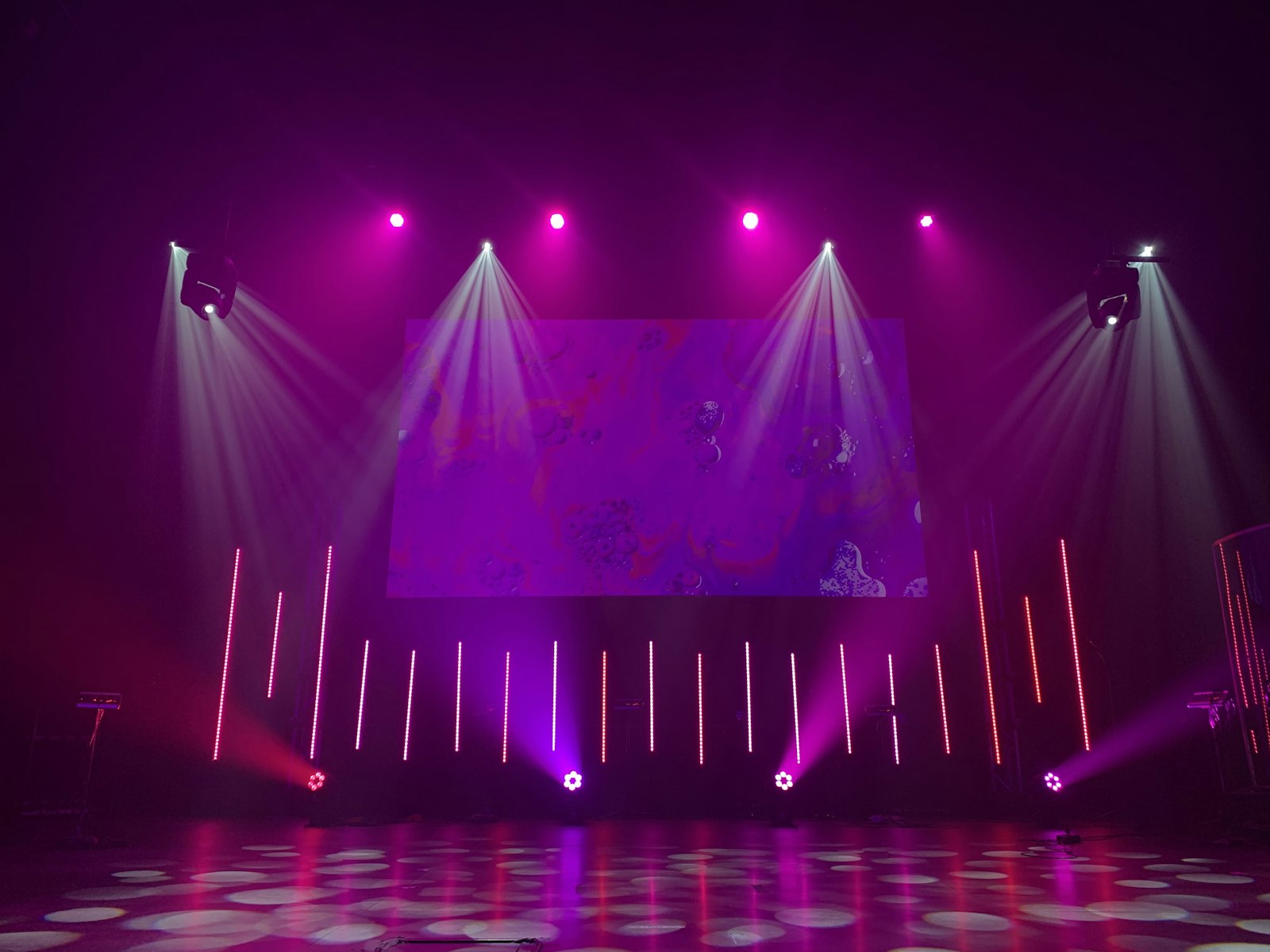
Lighting for evening events
We deliver, set up and take down the equipment, or you can arrange pickup. How it works. Other cities: service area.
Planning an event in Toronto?
Send the date, location and what you need. We reply by email with a quote.
Request a quote